





Environmental
Resource efficiency
- 80% Renewable Energy by 2030
- 60% reduction in Energy Intensity by 2030
- 50% Secondary RM by 2030
- 40% reduction in Water Intensity by 2030
- 60% Recycled water by 2030
- Water Positive by 2030
Emissions & Waste management
- 54.6% lesser Scope 1 & 2 emissions by 2033
- 54.6% lesser Scope 3 emissions by 2033
- 50% reduction in Waste Intensity by 2030
- Zero Waste to Landfill by 2030
- Carbon Neutral by 2045

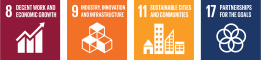
Contribution to UN SDGs
- Progressing towards a low-carbon economy through cleaner fuels, energy efficiency and higher renewable energy share
- Completed sustenance audits for ISO 50001:2018, ISO 14001:2015 and ISO 45001:2018 across all sites
- Estimated operational GHG emissions and identified further reduction actions
- Improving resource efficiency through reduce, recycle and reuse principles, including higher use of secondary raw materials
- Monitoring and controlling water consumption through existing water management systems to reduce freshwater use, increase recycled water use and move towards water positivity
- Reducing waste generation, ensuring effective disposal and advancing towards Zero Waste to Landfill