×

ENVIRONMENTAL, SOCIAL AND GOVERNANCE (ESG)

COMMITTED TO A SUSTAINABLE FUTURE

We are embedding sustainability at the core of our strategy to create long-term value for all stakeholders. Our commitment spans across environmental stewardship, social responsibility, and strong governance practices. We continue to advance initiatives that reduce our environmental footprint, strengthen our communities, and uphold the highest standards of ethics, transparency, and accountability – building a resilient business ready for the future.

SUSTAINABILITY FRAMEWORK

Our sustainability framework anchors our efforts to identify and address material risks and opportunities that impact our stakeholders – including customers, investors, employees, value chain partners, and communities. It provides a clear direction for integrating sustainability into every aspect of our operations.

We follow a top-down approach to embed sustainability values across the organization, ensuring alignment from leadership to frontline operations. This framework drives our continuous evolution towards global best practices and innovative solutions.

We are committed to becoming a sustainability leader within the manufacturing sector. This belief powers our ESG mission and informs our initiatives and investments.

We embedded ESG into our operations through:

  • Establishing a robust decarbonization roadmap with measurable targets
  • Creating an ESG Committee led by our Executive-cum-Joint Managing Director for strategic oversight
  • Institutionalizing ESG governance across functions to ensure accountability and long-term impact

UPDATES IN ESG RATINGS

Bharat Forge approaches ESG with clarity and intent, recognizing that rating agencies apply distinct methodologies. By aligning our internal practices with these frameworks, we enhanced transparency and elevated the quality of our disclosures. Focused efforts across environmental, social, and governance themes have enabled consistent improvement in external assessments.

To embed ESG into decision-making, a Board-level ESG Committee was constituted to steer the strategy and roadmap. A structured gap analysis, supported by our materiality assessment, identified key focus areas across short- and long-term horizons. Sustainability considerations now inform all major business and investment decisions.

We have published GRI-aligned Sustainability Reports for three consecutive years, with third-party assurance for the latest two editions. Strengthened climate disclosures, supplier assessments, and policy enhancements have further reinforced our commitment to performance-led, stakeholder-aligned ESG practices.

ESG ratings overview

Our ESG performance continues to improve steadily, reflecting our commitment to responsible business practices, transparent disclosures, and strategic action across environmental, social, and governance pillars.

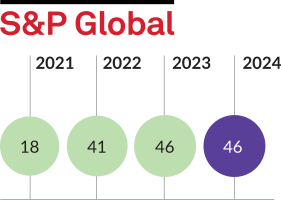
In the S&P Global Corporate Sustainability Assessment, we maintained our score of 46 in 2024, building on significant gains made since 2021 through the formalization of key policies, risk management upgrades, and enhanced supply chain oversight.

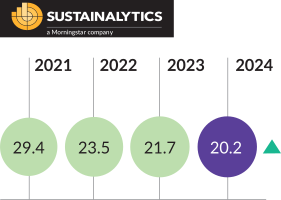
Our Sustainalytics ESG Risk Rating improved to 20.2 in 2024, down from 29.4 in 2021, driven by ongoing initiatives in environmental compliance, human capital development, and third-party assured sustainability reporting.

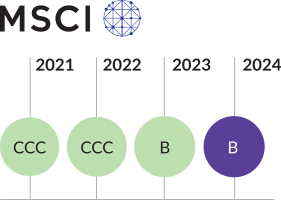
In the MSCI ESG Ratings, we retained our ‘B’ rating in 2024, reflecting our progress on climate-related disclosures, corporate governance, and data transparency compared to a ‘CCC’ rating in 2021.

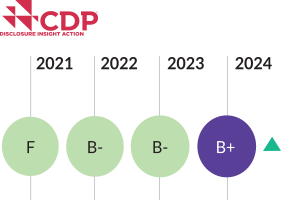
Our CDP Climate Disclosure Rating moved up to ‘B+’ in 2024, signifying stronger performance in climate risk management, emissions transparency, and progress aligned with the Science Based Targets initiative.

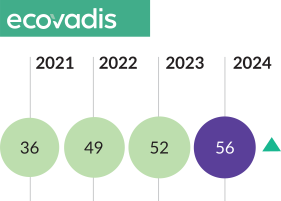
On EcoVadis, we achieved a score of 56 in 2024, continuing our upward trajectory from 36 in 2021. This reflects our efforts to strengthen supplier sustainability, revise codes of conduct, and align procurement with ESG expectations.
ESG GOALS*

*FY2020 is considered as baseline year

We strive to protect the environment by improving efficiency and reducing waste.

Improving Resource Efficiency

  • 80% Renewable Energy by 2030
  • 60% reduction in Energy Intensity by 2030
  • 50% Secondary RM by 2030
  • 40% reduction in Water Intensity by 2030
  • 60% Recycled water by 2030
  • Water Positive by 2030

Reducing Emissions & Waste

  • 54.6% lesser Scope 1 & 2 emissions by 2033
  • 54.6% lesser Scope 3 emissions by 2033
  • 50% reduction in Waste Intensity by 2030
  • Zero Waste to Landfill by 2030
  • Carbon Neutral by 2045

SUSTAINABILITY CONTRIBUTIONS TO UN SDGS

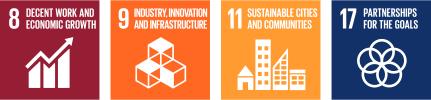
  • Progress towards low carbon economy by conversion to cleaner fuels, achieving energy efficiency in operations, and enhancing the share of renewable energy
  • Sustenance Audits completed for ISO 50001:2018, ISO 14001:2015, ISO 45001:2018 for all the sites
  • Estimated the GHG emissions from operations and identified actions to reduce them further
  • Improving the resource efficiency by focusing on reduce, recycle and reuse principle. Increased the use of secondary raw material in the process
  • Monitoring and controlling water consumption through the existing water management system. This helps in reducing the freshwater consumption, increasing the use of recycled water and would support us in achieving water passivity in the coming years
  • Reducing waste generation, disposing them off effectively and moving towards the aim of achieving Zero Waste to Landfill

We strive to nurture our people, business partners and communities by empowering them to shape the future.

Growing Human Capital

  • Employee training hours – 48hrs/year by 2030
  • 75% reduction in LTIFR by 2030
  • 8% women in managerial & Leadership positions by 2030

Engaging Business Partners

  • Sustainability Index >75% by all Critical suppliers by 2030
  • 50% RE use by Top suppliers by 2030
  • PCF for mainstream products by 2030
  • Active engagement with customers on ESG aspects by 2030

Giving Back to Communities

  • Plant 1 million Trees by 2030
  • 100 Green Villages by 2030
  • Education & Skill development by 2030

SUSTAINABILITY CONTRIBUTIONS TO UN SDGS

  • Deployment of best practices towards employee health and safety to reduce workplace incidents
  • Train employees on emerging technologies and enable them to understand advanced engineering concepts
  • Human Rights due diligence check in the operations to ensure compliance to human rights
  • Supplier Sustainability audit conducted, Supplier Sustainability Index (SSI) deployed to evaluate the supplier sustainability performance and site assessments of hazardous waste recyclers were carried out
  • Sustained engagement with customers through digital platforms and team visits to deliver on new product development needs
  • Undertaking holistic development in 100 villages covering areas of water availability, livelihood opportunities, enhancing healthcare, promoting education and creating infrastructure. Six of these villages have been assessed and certified as ‘Green Villages’ by an external agency
  • Undertaken programs on education and skill development for youth, women, and farmers to empower them

We strive to build an organization which stakeholders can trust by ensuring good governance.

Good Governance

  • 100% regulatory compliance
  • Effective data privacy management

Compliance to Ethics

  • 100% employees trained on business ethics
  • Ensure compliance to human rights requirements

*FY2020 is considered as baseline year

SUSTAINABILITY CONTRIBUTIONS TO UN SDGS

  • Conformance to ethical practices and regulatory requirements with no instances of non-compliance. Maintained our track record of a trusted organization
  • Ensured high standards of governance and accountability; Third-party assured BRSR reporting along with the sustainability reports and integrated annual reports
  • Driving innovation and technology for good that includes light-weighting of automobile components to make the automobiles fuel efficient, developing e-mobility solutions for cleaner transport and Industry 4.0 led innovative technologies to increase plant productivity
  • Implementation of robust cybersecurity practices to ensure protection of customer data and our assets
  • Ensuring job creation and economic growth in our operational regions
  • Materiality Assessment to review the existing material ESG issues and the ESG Roadmap